

Shockwave Therapy

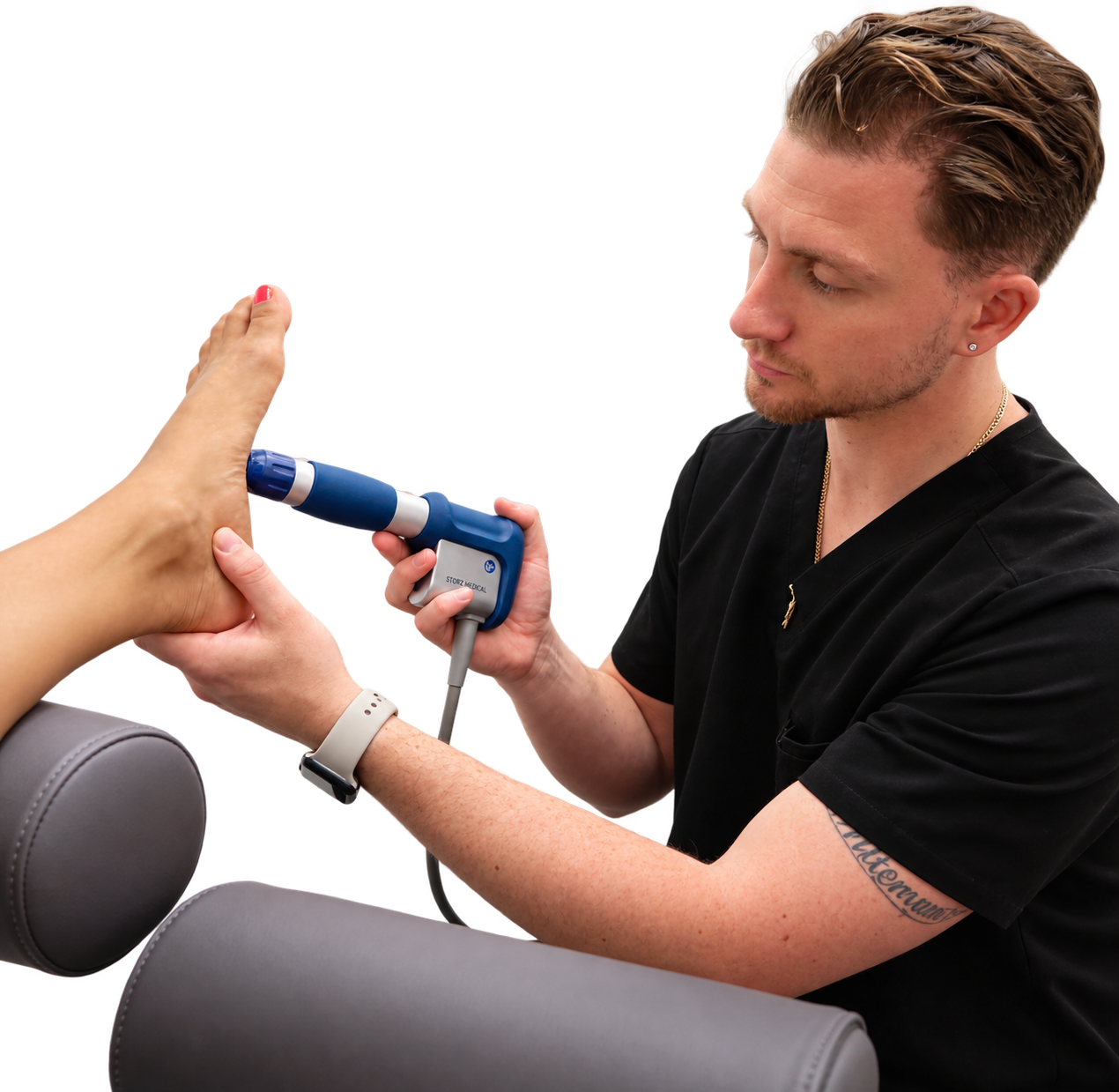
Radial Pressure Wave (RPW) Therapy RPW or Shockwave therapy is a treatment in which we utilize sound waves to elicit changes in tissues for therapeutic benefit.

How does it work?

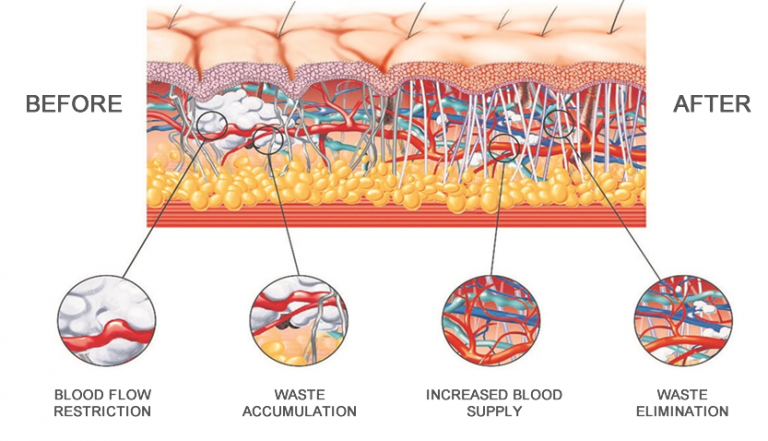
In the most common form of shockwave therapy, a small ‘bullet’ bounces back and fourth inside a chamber, that creates sound waves (shockwaves) which then travels into your tissues. These shockwaves create a cavitation effect inside the tissues, which cause the body to flood the area with fresh red blood cells, anti-inflammatory cytokines, and healing factors, in order to heal the inflamed/damaged tissues.

What can be treated with shockwave?

Shockwave is the most researched and evidence based musculoskeletal treatment. Due to this, its scope is HUGE. It has been shown to have dramatic reduction in pain and increase in function in treating;

- Plantar Fasciitis and Fibroma Reduction
- Achilles Tendonitis and Enthesitis
- Patella Tendonitis
- Gluteal Tendonopathies
- Neuroma Treatment
- Hyaline Cartliage Stimulation (joint repair)
- Hamstring and Quadriceps Tendonopathies and Strains

Does it hurt?

Much like a Sports Massage, or Foam rolling; Shockwave therapy does have a level of discomfort to the therapy. This is due to the nature of working on a tight or injured area of the body and that area sending signals to the brain that it needs to be protected. Unlike most therapies though, this pain is fleeting. The reason for this is because of a very special reaction the body produces to shockwaves; Inhibition of Substance P. Substance P is the chemical that our bodies release following trauma or injury. This chemical interacts with our nerves, telling our brains that the area is injured, and that we need to look after it. What this means that there will be some discomfort, but it will be for a few seconds, and then you will feel much looser or less painful as a result!

Is it safe?

Shockwave therapy is one of the safest therapies available for MSK conditions. There are very few restrictions around the use of Shockwave therapy;

Acute Inflammatory Conditions
Due to the (mild) pro inflammatory nature of ESWT, it is recommended to wait until the initial trauma has been conquered (24-72 hours). Following this it is safe to commence light sound wave therapy.

Fractures/Broken bones (acute phase)
There is much evidence around the use of EWST and its bony remodelling capabilities, but it is not indicated in the callus forming phases of fracture healing (days 1-28). Following these initial phases, ESWT is shown to reduce the risk of bony non-union and delayed healing bones, typically seen in diabetics, smokers, the elderly and immunocompromised individuals.

Caution around use in body cavities (abdomen)
This relative contraindication (recommended to be avoided) is due to the potential for the shockwaves to cause collapse of the tissues. In the case of the lungs, collapse can potentially be fatal if improper therapy was administered. In the hands of a qualified practitioner this risk is minimal.

Cortisone injection less than 6 weeks
Cortico-steroids are designed to inhibit the inflammatory response (and inflammation) in the local area in which they are injected. Although this typically results in reduced pain it also inhibits the patients perception of the shockwave treatment, and patient feedback is crucial for accurate treatment.

How many treatments do I need?

Number of treatments varies depending on the presenting problem, but you can expect at least 3-5 sessions. This number can be reduced depending on adjunct therapy, and cessation of aggravating factors. How often are the treatments? Pain tolerance and relief periods tell us how regularly the treatments should be. At the start 3-4 days between treatments are advised, with that gap increasing according to the relief obtained from the treatment. With rehabilitation and return to activity its not uncommon to have treatments up to 10 days apart.

Why People Choose Toetal Health

Book an Appointment

Our friendly team can help advise on the best way to treat you.
Simply fill out our quick 1 minute pre-screening form and select a booking time that suits you. Call us on: 9059 8296 or book an appointment below.

Book an Appointment